Unveiling the Cutting-Edge Innovations Shaping the Electrical Industry in the UK
The electrical industry in the United Kingdom is undergoing a revolutionary transformation, propelled by the innovation of ground-breaking technologies. As society moves towards a more sustainable and interconnected future, the landscape of electrical solutions is evolving at an unprecedented pace. From renewable energy integration to smart infrastructure, several trends are reshaping the industry, promising efficiency, sustainability, and enhanced connectivity.
Renewable Energy Integration: Embracing renewable energy sources is at the forefront of the UK’s electrical industry. The push towards achieving net-zero carbon emissions has led to significant advancements in solar, wind, and hydroelectric technologies. The rise of offshore wind farms, such as the Hornsea Project One, illustrates the UK’s commitment to harnessing renewable energy on a large scale. These initiatives contribute to reducing reliance on traditional fossil fuels, paving the way for a more sustainable energy future.
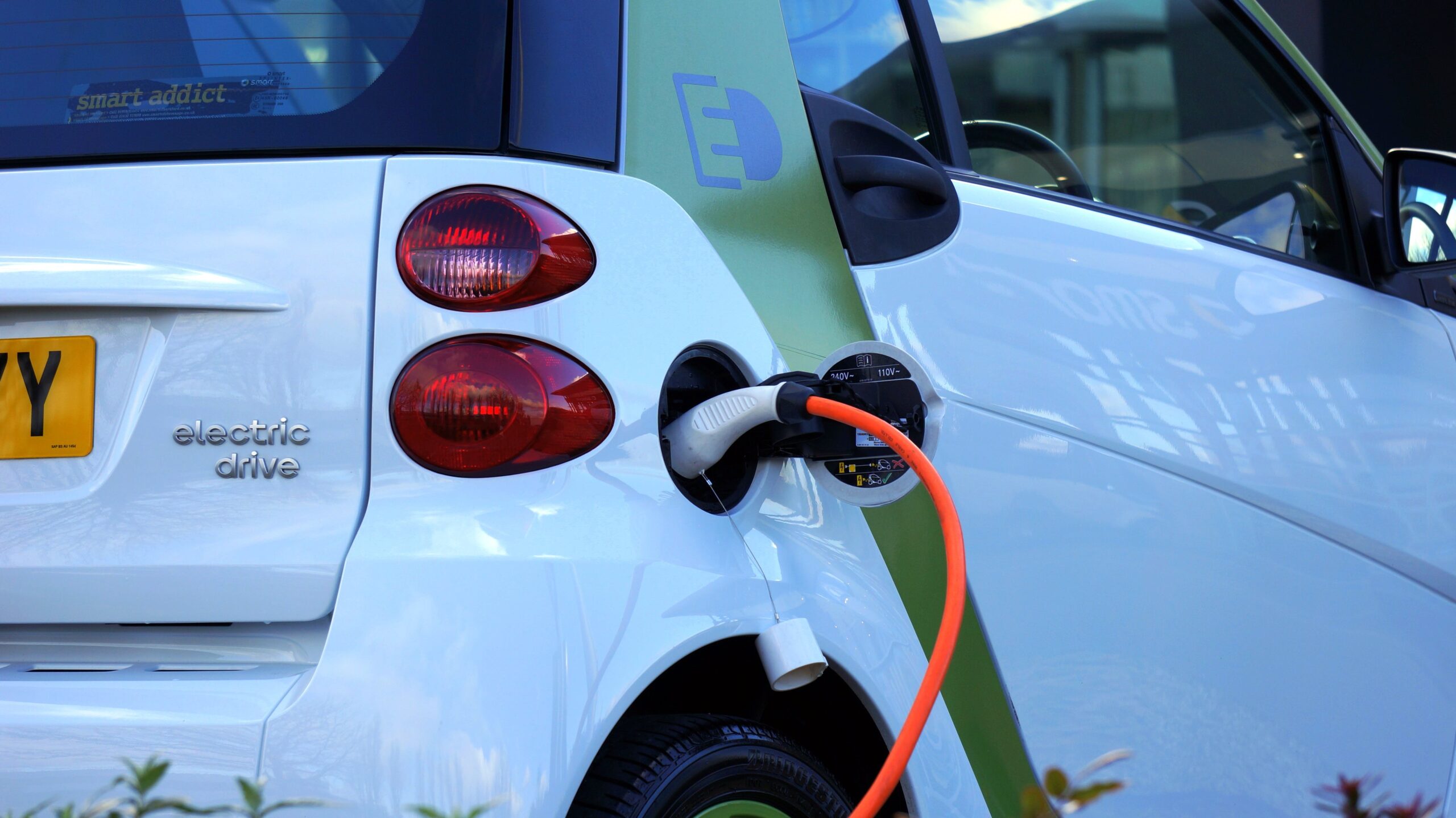
Electric Vehicle (EV) Infrastructure: The transition to electric vehicles is another pivotal trend reshaping the electrical industry. With the UK’s commitment to banning petrol and diesel cars by 2030, there is a surge in demand for EV charging infrastructure. Companies like BP Chargemaster and Pod Point are at the forefront, deploying innovative charging solutions across the nation. The development of ultra-fast chargers and the integration of smart grid technologies are crucial to supporting the growing EV market.
Smart Grids and IoT Integration: The implementation of smart grid technologies and the Internet of Things (IoT) is revolutionising how electricity is generated, distributed, and consumed. Smart grids optimise energy distribution, enhance grid stability, and enable efficient communication between utilities and consumers. Companies like Siemens and National Grid are investing in grid modernisation, incorporating IoT sensors and advanced analytics to manage energy flow effectively.
Energy Storage Solutions: The demand for reliable energy storage solutions is escalating, driven by the intermittent nature of renewable energy sources. Battery storage systems, such as those deployed by Tesla and Orsted, play a pivotal role in stabilising the grid and storing excess renewable energy for peak demand periods. Advancements in battery technology are making storage systems more efficient and cost-effective, contributing to the overall resilience of the electrical infrastructure.
Digitalisation and Automation: The digital transformation in the electrical industry is streamlining operations and enhancing efficiency. Automation, artificial intelligence, and predictive analytics are optimising maintenance processes, reducing downtime, and improving safety standards. Companies like ABB and Schneider Electric are leading this charge, integrating advanced technologies to create more intelligent and responsive electrical systems.
These trends represent the cutting-edge innovations propelling the UK’s electrical industry towards a sustainable and interconnected future. However, staying abreast of these rapid advancements requires continuous learning and adaptation. Engaging with reputable industry resources such as the Institution of Engineering and Technology (IET), RenewableUK, and the Energy Institute can provide valuable insights and updates on the latest developments in the sector.
The evolution of the electrical industry in the UK is a testament to the transformative power of innovation. Embracing these technologies not only drives economic growth but also plays a pivotal role in shaping a greener and more resilient future for generations to come. As the industry continues to evolve, collaboration, investment in research and development, and a commitment to sustainability will remain pivotal in driving progress.