How Solar Panels Work and Their Benefits in 2024: What You Need to Know
In 2024, solar power is one of the most effective solutions for reducing energy costs and promoting sustainability. With rising electricity prices and growing environmental concerns, homeowners and businesses are increasingly turning to solar energy, but how do these solar panels work? And how do these innovations benefit you? Let’s explore how solar technology functions, the latest advancements in the field, and why adopting solar in Yorkshire is a smart move.
How Solar Panels Work
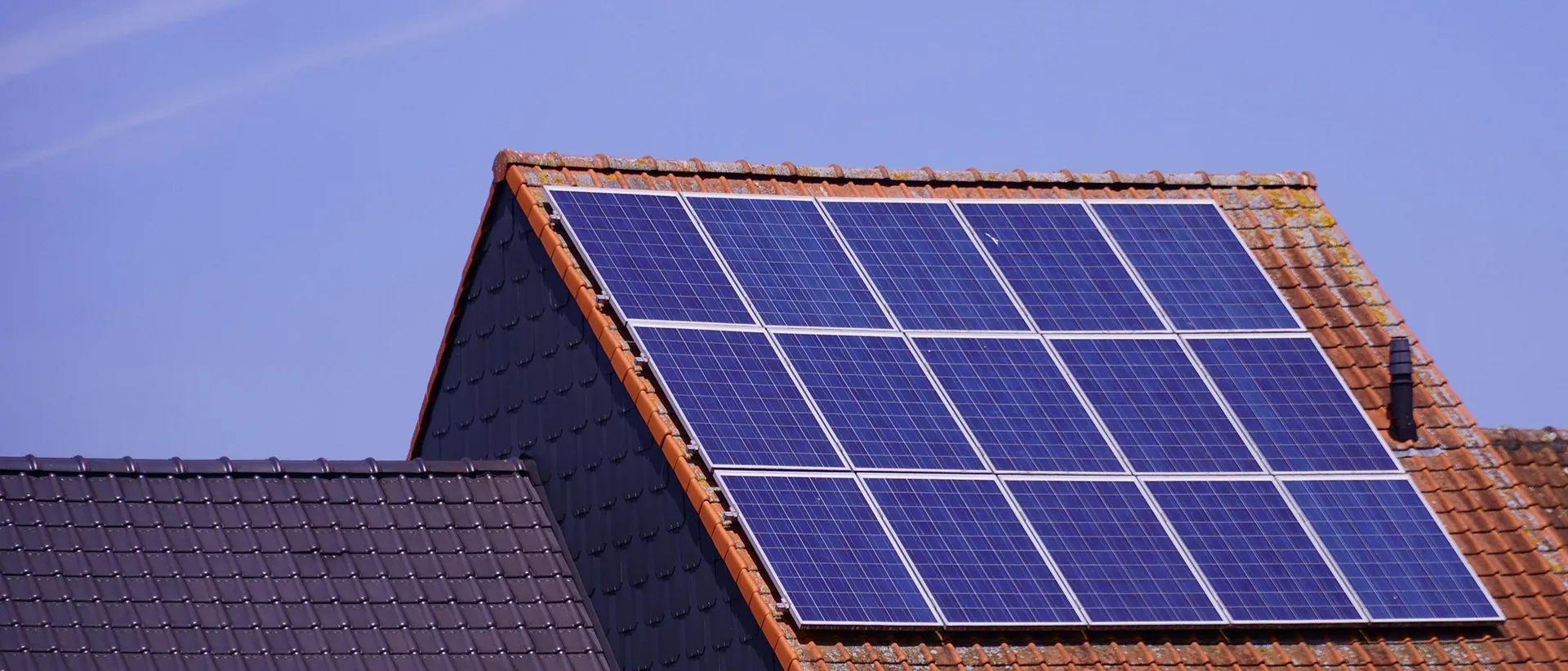
Solar panels harness sunlight to generate electricity through photovoltaic (PV) cells, which are typically made from silicon. When sunlight hits these cells, electrons are knocked loose, creating an electric current. This direct current (DC) electricity is then converted into alternating current (AC) using an inverter, which powers homes and businesses. According to the Energy Saving Trust, “solar panels generate electricity by converting sunlight into usable energy through an electrochemical process”. Any surplus electricity can either be stored in battery storage systems or sent back to the grid for compensation.
Latest Innovations in Solar Technology
2024 has seen groundbreaking advancements in solar technology that make solar panels even more efficient and affordable. One of the most significant innovations is the development of bifacial solar panels, which generate power from sunlight on both sides of the panel. This design can increase energy output by up to 30%, as stated by the International Renewable Energy Agency (IRENA). Additionally, perovskite solar cells are revolutionising the industry. These lightweight, flexible cells have the potential to double the efficiency of traditional silicon panels. According to a report by Nature Energy, perovskite cells “offer a pathway to producing more energy at a lower cost due to their exceptional efficiency and material flexibility”. For homeowners and businesses in Yorkshire, these advancements mean higher energy output, greater cost savings, and more aesthetic and flexible installation options.
Battery Storage Systems: The Key to Energy Independence
Battery storage systems have become a crucial component of solar energy setups, allowing users to store excess energy generated during the day for use at night or during cloudy weather. Different battery systems on the market offer different capacities and benefits, all of which reduce dependence on the grid during peak energy use. In Yorkshire, where overcast days are frequent, battery storage systems help ensure a stable energy supply and can significantly reduce electricity bills.
The Role of Battery Management Systems
Battery management systems (BMS) play a critical role in optimising energy storage and usage. They monitor battery performance, control charging and discharging, and prevent issues such as overcharging, which can shorten battery lifespan. Integrating a smart battery system with a home energy management system allows for automated control, further maximising energy savings.
Off-Grid vs Grid-Tied Systems: Which is Best for You?
When choosing a solar system, homeowners must decide between off-grid and grid-tied systems. An off-grid system operates independently of the national grid, providing total energy independence but requiring a robust battery storage solution to handle energy needs during periods of low sunlight. On the other hand, grid-tied systems remain connected to the grid, allowing users to draw power when solar production is low and export excess energy back to the grid. For most homeowners in Yorkshire, where sunlight varies seasonally, grid-tied systems offer the most practical and cost-effective solution.
How Solar Panels Increase Property Value
Installing solar panels is not only an environmentally conscious decision, but it also adds tangible value to properties. A study by Zillow found that homes with solar power systems sell for an average of 4.1% more than homes without them. This increase in value is driven by potential buyers’ desire for homes with reduced energy costs and sustainable features. In South Yorkshire, where energy prices are on the rise, homes with solar systems are particularly appealing.
Conclusion
In 2024, solar power technology is more advanced, efficient, and accessible than ever before. With innovations like bifacial solar panels and battery storage systems, solar energy has become a practical and cost-effective solution for reducing energy bills and promoting sustainability. Combined with government incentives and the potential to increase property value, installing solar panels in Yorkshire is a smart investment for homeowners and businesses alike. By adopting solar, you can not only lower your carbon footprint but also enjoy long-term financial benefits.