Energy Saving Tips for UK Homeowners: How to Reduce Your Energy Bills
In today’s world, where energy consumption is on the rise and environmental concerns are mounting, finding ways to save energy and reduce your energy bills has never been more important. As a homeowner in the UK, you have the power to make a positive impact on both your wallet and the planet. In this blog post, we’ll explore effective energy-saving tips tailored to UK homeowners, along with insightful statistics to highlight how significant these efforts can be when it comes to your bills!
1. Upgrade to Energy-Efficient Appliances
Did you know that appliances account for a significant portion of your home’s energy consumption? By upgrading to energy-efficient appliances, you can significantly reduce your energy bills. Look for appliances with the Energy Saving Trust’s “Energy Efficient” label, which indicates that the product meets strict criteria for energy efficiency. These appliances not only use less energy but also perform optimally, ensuring you get the most out of your investment.
2. Seal Those Drafts
One of the most effective ways to save energy is by minimising heat loss in your home. According to the Energy Saving Trust, about 25% of the heat in an average UK home is lost through uninsulated roofs. Properly insulating your home can prevent this heat loss, keeping your living spaces cosy and reducing the need for excessive heating. Additionally, sealing gaps around windows and doors with draught excluders can go a long way in preventing cold air from seeping in.
3. Optimise Heating and Cooling
Heating and cooling your home accounts for a substantial portion of your energy bills. Consider installing a programmable thermostat that allows you to set different temperatures for different times of the day. Lowering the thermostat by just 1°C can result in a 10% reduction in your heating bill, according to the Energy Saving Trust. https://energysavingtrust.org.uk/ We can help you decide the best devices and install them correctly for you.
4. Harness Solar Energy
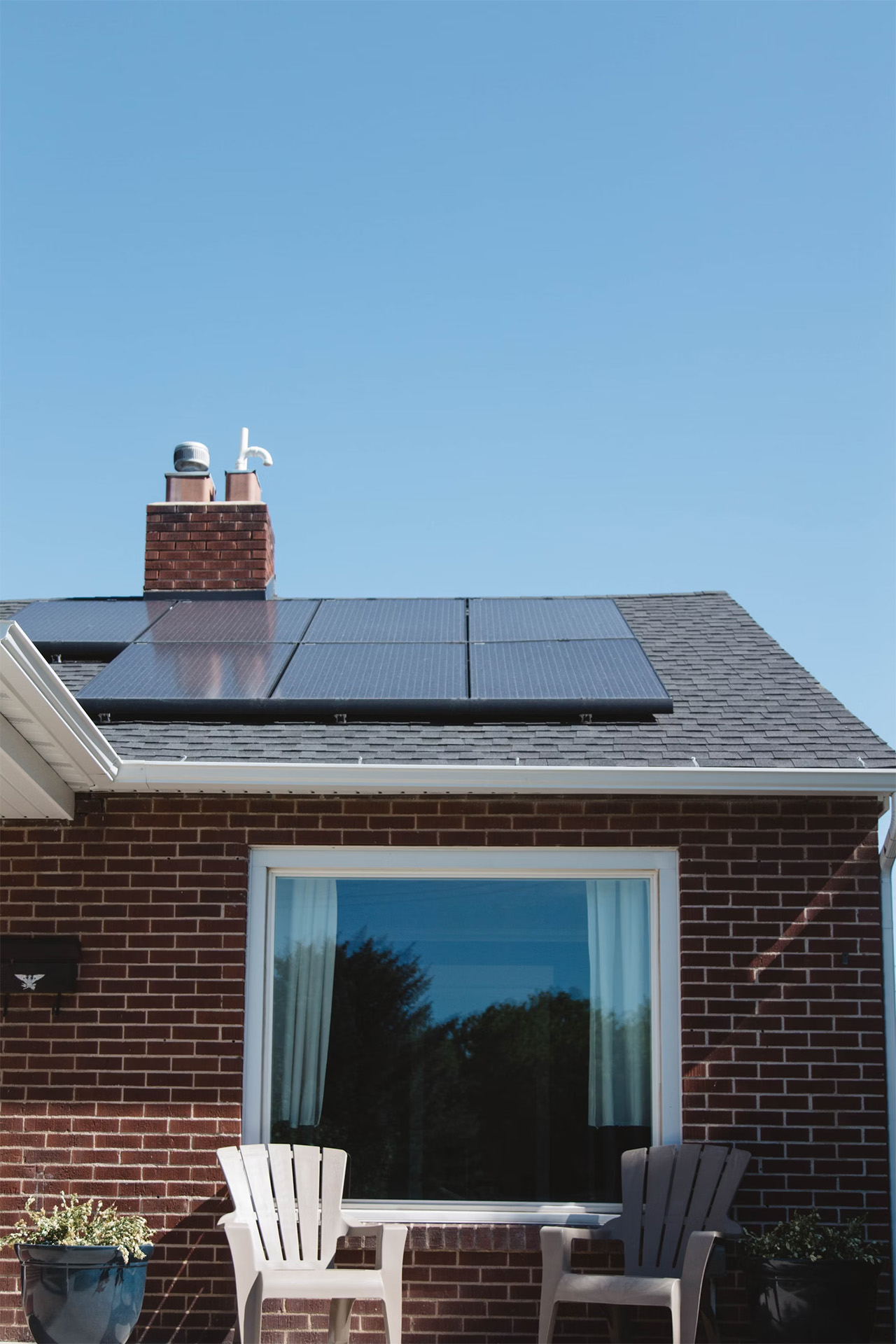
Solar panels are an excellent investment for UK homeowners looking to save energy and reduce bills. According to GreenMatch, the UK receives enough sunlight to make solar panels a viable option. By harnessing the power of the sun, you can generate your own electricity and even sell surplus energy back to the grid through the Smart Export Guarantee scheme.
5. Unplug and Switch Off
Even when your electronic devices are turned off, they can still consume energy if they’re plugged in. This phenomenon is known as “phantom energy” or “standby power.” According to the Energy Saving Trust, the average household spends around £30 a year on standby power. Unplug chargers, devices, and appliances when they are not in use, or consider using smart power strips that cut off power to multiple devices with a single switch.
UK Energy Consumption Statistics:
Energy Usage in Homes: According to The National Grid, homes account for nearly 30% of the total energy consumption in the UK. This underlines the importance of adopting energy-saving practices in residential properties.
Carbon Emissions from Energy Consumption: The Committee on Climate Change reports that around 80% of the UK’s carbon emissions are linked to energy production and consumption. This statistic underscores the urgent need to reduce energy consumption to combat climate change.
Conclusion:
In conclusion, as a UK homeowner, you can make a meaningful impact on your energy bills and the environment. By upgrading to energy-efficient appliances, sealing drafts, optimising heating and cooling, harnessing solar energy, and practising mindful energy usage, you can reduce your energy consumption and contribute to a greener future. Remember, every small step counts and the benefits will be reflected in your reduced energy bills and a healthier planet.